Nairobi, Kenya
AXI Mobility
The machine record. Machines produce records too, and they are just as fragmented as people's.
- Vehiclemoving, charging
- Telemetrybattery, position, trips
- Machine identityverifiable fleet events
01Context
Electric fleets in Nairobi generate constant physical events: trips, battery levels, charging sessions, location pings, downtime.
That data is spread across devices, vendors and spreadsheets, and rarely forms a reliable account of what a vehicle actually did.
02What I initially thought
I thought telemetry would make the record easy. Machines, unlike people, report on themselves.
03What changed
Telemetry is noisy, incomplete and vendor-specific. A battery reading means little without knowing the trip, the driver, the charge history and the asset it belongs to.
The problem moved from collecting data to deciding which events matter, how they link to assets and people, and how others can verify them.
04What I built
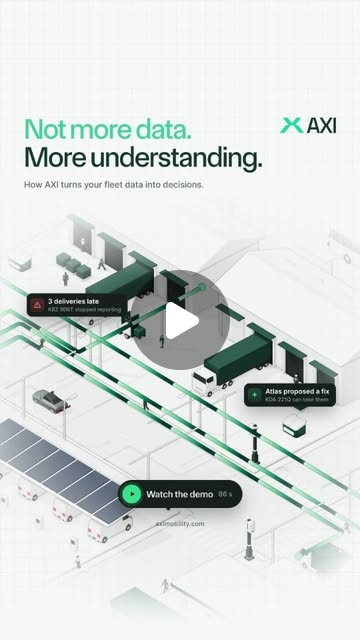
Fleet-data systems connecting sensors, vehicles and operational events. I led hardware and software product design: vehicle and battery telemetry, data schemas, linked assets, driver workflows and operator dashboards.
Early integration with peaq for decentralised machine identity and verifiable fleet events.
In August 2025 I exited through a founder buyout and returned my operating focus to AXK.
05See it
06What I learned
Machine data doesn't remove the representation problem; it relocates it. Someone still has to decide which events matter and how they compose into a trustworthy history.
07Back to the question
The same question, asked of vehicles: how does a stream of physical events become a record that a financier, operator or regulator can act on?